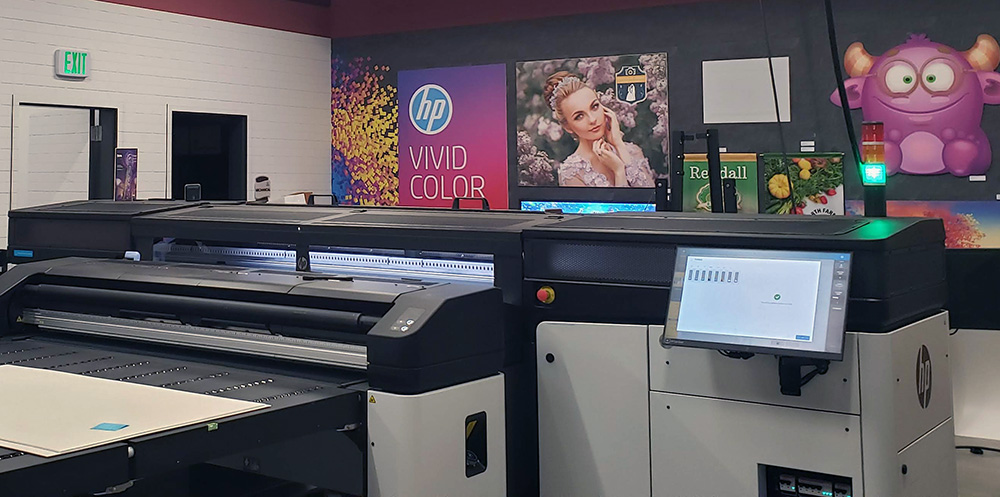
Direct-to-garment (DTG) printing has transformed how creators, brands, and print shops produce full-color apparel on demand. Instead of relying on screens or transfers, DTG uses inkjet technology to print digital artwork directly onto fabric, enabling vivid detail, quick turnarounds, and economical short runs. This guide by Spandex, serves as a practical introduction to DTG printing, explaining the fundamentals of direct to garment printing, how it works, where it excels, and what to consider before investing, so you can decide whether printing direct to garment is the right fit for your apparel printing needs.
Use this introduction to DTG printing to understand how DTG printing works in modern shops and why choosing the right direct to garment printer matters—from an entry-level DTG printer to advanced production systems.
Key Takeaways
- DTG is a digital printing process that applies water-based inks directly to textiles, producing high-resolution images and smooth gradients. It’s ideal for complex artwork and small-batch orders. If you are evaluating direct to garment printing, remember that a direct to garment printer deposits ink with precision for photographic results.
- It lowers barriers to entry for custom apparel, supports print-on-demand workflows, and enables online sellers and micro-brands to grow without large inventory risks. An entry-level DTG printer can help new businesses start printing direct to garment quickly.
- Primary audiences include start-up apparel brands, eCommerce sellers, designers, merch creators, marketing teams, and established print shops expanding their offerings. This introduction to DTG printing is useful whether you operate a single direct to garment printer or a full production floor.
- DTG technology is improving with faster print speeds, expanded color gamuts, better pretreatment automation, enhanced ink formulations for durability, and deeper integrations with web-to-print software and fulfillment platforms. Understanding how DTG printing works helps you evaluate upgrades effectively.

What Is DTG Printing?
Direct-to-garment printing is a digital method that uses specialized inkjet printers to apply CMYK (and often white) water-based pigment inks directly onto fabric. The printer interprets a digital file and deposits ink in precise droplets, building the image on the garment in single or multiple passes. Because there are no screens or plates, setup is minimal, making DTG ideal for low-volume, high-variation work such as personalized tees and limited-edition drops. If you’re asking what is direct to garment printing, think of it as printing direct to garment with the same kind of precise control as a high-resolution photo printer, but tuned for textiles.
Compared to traditional methods like screen printing, DTG excels at photographic detail, gradients, and multi-color designs without adding setup complexity. Screen printing typically becomes more cost-effective for larger quantities and solid spot colors, but it requires screen creation, registration, and cleanup. Heat transfer vinyl (HTV) and transfer methods suit simple shapes or specialty finishes, though they can feel heavier on the garment. Sublimation delivers vivid results but is limited to polyester and light garments. DTG is the go-to for high-quality, short-run, full-color printing on cotton-rich apparel and complements screen printing for bulk orders and DTF (direct-to-film) for challenging materials or placements. This introduction to DTG printing clarifies where a direct to garment printer fits among other methods.
In modern hybrid workflows, many shops use DTG alongside other techniques: DTG for detailed cotton tees and hoodies, screen printing for large uniform runs or brand campaigns, and DTF or embroidery for special effects and non-cotton substrates. This mix allows businesses to choose the right method per project while maximizing efficiency and quality. When you start with an entry-level DTG printer, you can build a foundation and expand as demand grows.
How Does DTG Printing Work?
DTG follows a streamlined digital-to-physical workflow that turns a prepared file into a finished garment. Understanding each step helps ensure consistent, high-quality results. The process below applies to both an entry-level DTG printer and high-output systems.
Step-by-Step Workflow
- Artwork preparation: Designers create or receive a high-resolution image at print size (ideally 300 DPI) in formats like PNG, TIFF, or PSD. For non-rectangular designs, a transparent background is recommended. The file is color-managed and prepared with a RIP (Raster Image Processor) to optimize ink laydown, dot placement, and the white underbase for dark garments. This step is central to how DTG printing works because the RIP drives the direct to garment printer’s ink behavior.
- Garment selection and pretreatment: Cotton-rich garments (preferably 100% ring-spun cotton) are ideal. For dark garments, a pretreatment solution is applied to enable proper white ink adhesion and prevent color bleed. Pretreatment should be evenly sprayed and cured or pressed to create a smooth, lint-free print surface.
- Platen loading and alignment: The garment is loaded onto the printer’s platen and aligned precisely. Flattening the print area and removing lint prevents skewing and preserves sharp detail. Whether using an entry-level DTG printer or a production machine, careful alignment is critical when printing direct to garment.
- Printing: The printer typically lays down white ink first as an underbase on dark garments, then prints CMYK to render the full-color design. On light garments, CMYK is often printed without white. This is the heart of direct to garment printing: a direct to garment printer building the image with micron-level droplets.
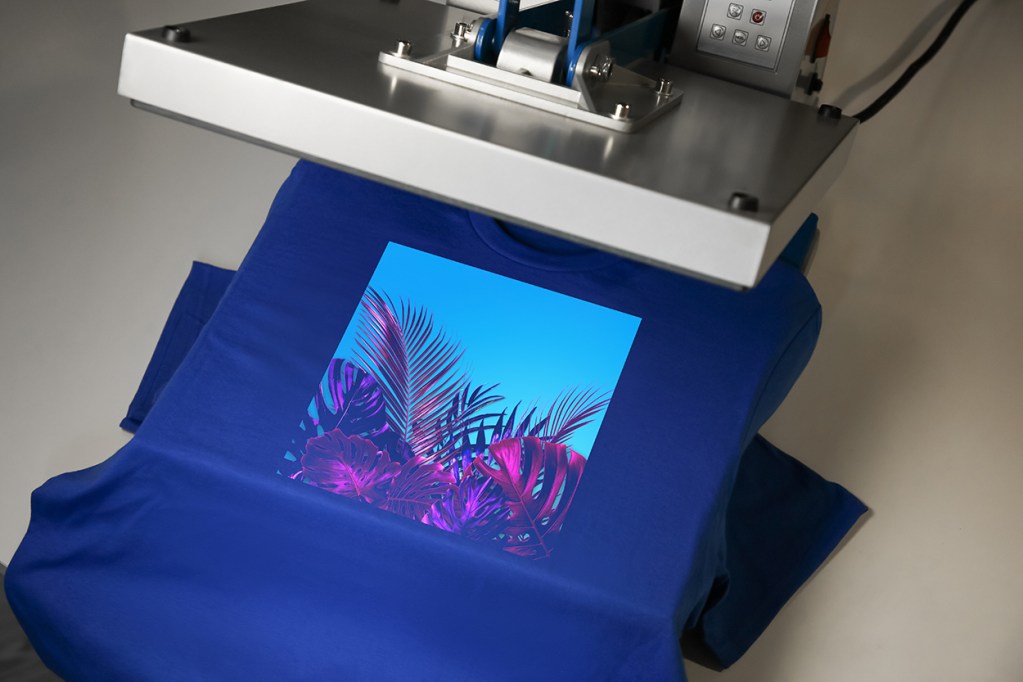
- Curing: After printing, the garment is cured using a heat press or conveyor dryer at the manufacturer’s recommended temperature and time. Proper curing locks in the ink, improves wash durability, and maintains a soft hand feel.
- Quality check: Inspect color accuracy, registration, coverage, and the overall finish. Once approved, the garment is folded and packed for delivery.
Core Equipment
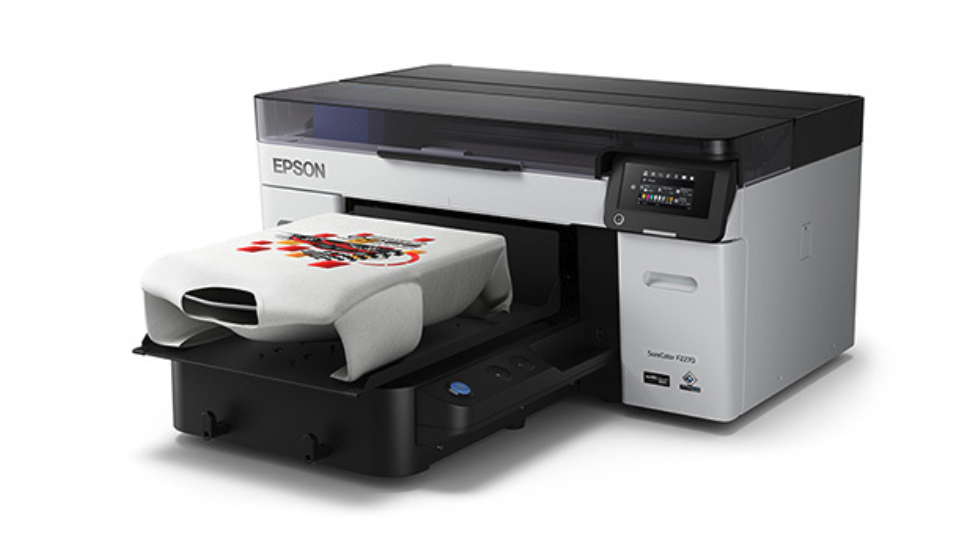
- DTG printer with CMYK and white ink capability
- Pretreatment machine or manual spray setup
- Heat press or conveyor dryer for curing
- Maintenance tools for daily and weekly cleaning
- Computer with RIP software and appropriate ICC profiles
RIP software controls ink density, white underbase, dot placement, and color profiles to match the garment and artwork. Accurate color management and properly prepared transparencies ensure crisp edges and reliable reproduction. Many modern workflows connect eCommerce platforms to a print manager, enabling automated job creation, barcoding, and production tracking for on-demand fulfillment. As you evaluate how DTG printing works at scale, consider whether a single direct to garment printer is sufficient or if multiple devices are required to meet throughput goals. To shop DTG equipment at Spandex, click here. To Shop heat presses, click here.
Advantages of DTG Printing
DTG offers compelling benefits for creators and businesses looking to deliver high-quality, custom apparel without heavy upfront investment. This introduction to DTG printing highlights why printing direct to garment is popular for modern brands.
- Exceptional detail: DTG excels at photographic imagery, complex gradients, fine lines, and subtle shading. With a proper white underbase on dark garments, colors are vibrant while maintaining a soft hand feel.
- Customization and on-demand scalability: Minimal setup makes one-offs and small batches cost-effective. Personalized names, numbers, and artwork variants are easy to produce, supporting drop shipping, limited releases, and print-on-demand stores without inventory risks. An entry-level DTG printer can be enough to launch a lean, on-demand operation.
- Fast turnaround: Digital workflows reduce preparation time, enabling quick movement from file upload to finished shirt. This speed suits event merch, small business branding, and fast-moving eCommerce campaigns.
- Sustainability: Water-based pigment inks are generally less harsh than plastisol, and on-demand production helps minimize overproduction and waste. Many DTG shops adopt eco-minded practices such as responsible pretreatment handling, energy-efficient curing, and recycling programs for packaging.
- Low barrier to entry: Compared to building a full screen printing operation, a DTG setup can be simpler to start, especially for entrepreneurs focusing on online sales. Integrations with eCommerce platforms and automated order management make DTG practical for lean teams. Choosing the right direct to garment printer determines your initial capacity and quality.
Limitations of DTG Printing
While DTG is versatile, it isn’t the best solution for every scenario. Understanding limitations helps you choose the right method for each job and clarifies what is direct to garment printing in practice.
- Cost dynamics: DTG shines for small runs and variable designs. For large orders with simple spot colors, screen printing often reduces per-unit cost. DTG ink, particularly white ink, can be relatively expensive and increases costs on dark garments.
- Material compatibility: DTG performs best on 100% cotton or cotton-rich blends. Polyester, nylon, and water-resistant fabrics are challenging due to dye migration and poor absorption. Some pretreated poly-cotton options exist, but they require careful testing and may not match cotton quality.
- Durability considerations: Proper pretreatment, ink density, and curing are critical for wash fastness. When the process is dialed in, prints remain vibrant through regular washing. Inconsistent pretreatment or under-curing can reduce longevity.
- Maintenance and operations: DTG printers require consistent upkeep to avoid clogs and color drift, particularly in low-humidity environments. Daily nozzle checks, periodic head cleanings, and correct storage of white ink are routine. Shops must manage pretreatment overspray, lint control, and curing consistency for optimal results. These routines apply whether you use an entry-level DTG printer or a larger production unit.
- Speed for bulk orders: DTG print times per garment can be longer than screen printing for large volumes. Newer machines are faster, but shops should assess throughput requirements before committing DTG to high-volume campaigns.
Applications of DTG Printing
DTG excels in scenarios that demand flexibility, detail, and personalized production. It supports a wide range of products and business models and is frequently recommended in any introduction to DTG printing for entrepreneurs and established shops alike.
Ideal Use Cases
- Artist merch with full-color graphics and photographic elements
- Small-batch apparel for local brands and niche communities
- Personalized gifts and corporate swag with individualized names
- Event tees for pop-ups, festivals, and on-site customization
- Test-market runs for new designs without large inventory commitments
Best Products and Materials
- Short-sleeve and long-sleeve T-shirts, fashion-fit tees, hoodies, and lightweight sweatshirts
- Baby apparel, tote bags, aprons, and certain cotton hats (when compatible with the platen)
- Ring-spun cotton and cotton-rich blends with smooth knit surfaces that accept pretreatment well and minimize fiber show-through
How Businesses Use DTG
- Marketing teams run micro-campaigns with unique artwork for different customer segments.
- eCommerce shops connect storefronts to DTG production for automated fulfillment, enabling just-in-time manufacturing and international shipping through local partners.
- Brick-and-mortar shops offer same-day custom tees, turning foot traffic into memorable experiences.
- Larger print operations expand catalogs with premium full-color prints for short runs while reserving screen printing for high-volume orders. Starting with an entry-level DTG printer helps validate demand before adding more direct to garment printer capacity.
DTG vs. Other Printing Methods
Choosing the right method depends on artwork complexity, fabric, order size, and desired finish. DTG complements rather than replaces other techniques. Understanding how DTG printing works alongside alternatives clarifies when printing direct to garment is the best option.
| Method | Best For | Pros | Cons |
| DTG | Short runs, full-color, gradients, photographic detail on cotton-rich garments | Minimal setup, high detail, soft hand, on-demand | Slower for bulk, white ink costs, fabric limitations |
| Screen Printing | Large orders, solid spot colors, specialty inks | Efficient at scale, durable, wide ink options | Higher setup, less economical for small runs with many colors |
| DTF (Direct-to-Film) | Complex designs on varied fabrics, challenging placements | Versatile substrates, good color, durable | Transfer feel can be heavier than DTG, additional steps |
| Sublimation | Polyester and performance fabrics | Vibrant, permanent dye, no hand feel | Limited to light polyester; not suitable for cotton |
| HTV/Transfers | Simple shapes, names/numbers, specialty finishes | Low equipment cost, metallic/foil options | Heavier hand, less suited for complex full-color art |
Best Practices for DTG Success
Quality results depend on controlling variables across artwork, fabric, pretreatment, printing, and curing. Consistent processes reduce rework and improve customer satisfaction. These practices apply no matter which direct to garment printer you use.
- Artwork quality: Use 300 DPI at print size. Avoid upscaling low-res images. Clean edges and remove stray pixels before export.
- Color management: Design in RGB and use ICC profiles tailored to your printer and ink set. Soft-proof for dark garments, especially where a white underbase affects perceived contrast.
- Pretreatment control: Calibrate spray volume, ensure even coverage, and press before printing to flatten fibers. Keep pretreatment fresh and store according to manufacturer guidance.
- Garment selection: Prefer smooth, ring-spun cotton. Test blends and dark colors for dye migration. Avoid heavy fleece or textured surfaces that can trap ink inconsistently.
- Environmental conditions: Maintain proper humidity to minimize nozzle clogs and color drift. Keep the print area clean and manage lint.
- Curing consistency: Follow time and temperature specs. Verify cure with stretch and wash tests. Over-curing can scorch fibers; under-curing reduces durability.
- Routine maintenance: Perform nozzle checks, head cleanings, and cap station upkeep. Agitate white ink per manufacturer recommendations to prevent settling.
- Workflow integration: Use barcodes, job tickets, and production dashboards to standardize steps, track orders, and reduce errors.
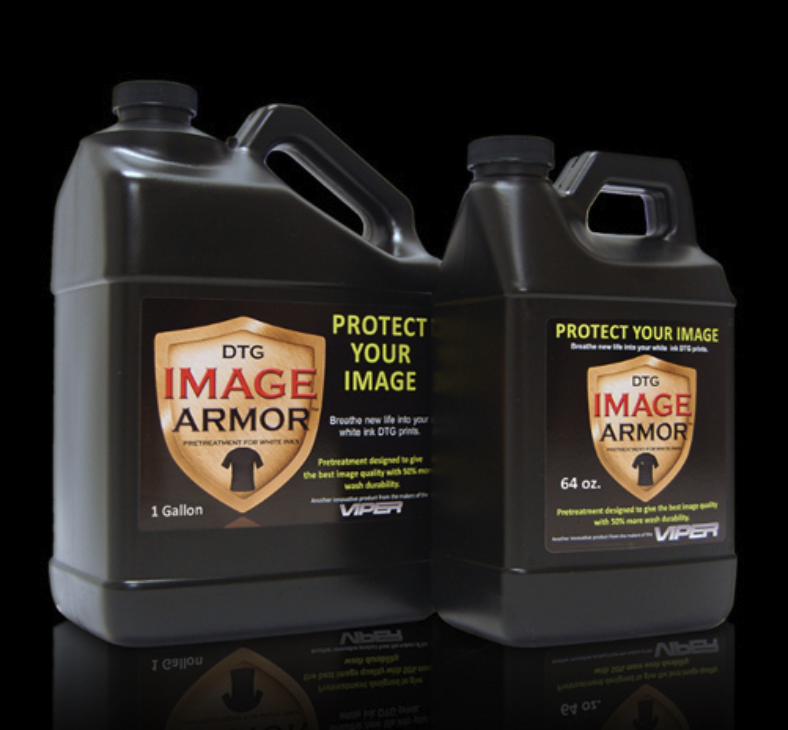
To shop DTG accessories, like pretreatment, click here.
Cost Considerations
To price DTG effectively, understand your fixed and variable costs, and match the method to the job type. This introduction to DTG printing highlights the financial aspects that influence ROI when printing direct to garment.
- Upfront investment: Printer, pretreatment equipment, curing system, and software. Training and space needs also factor in. Start with an entry-level DTG printer if you are testing market fit.
- Per-print costs: Ink usage (white ink is significant on dark garments), pretreatment, consumables (cleaning supplies, maintenance kits), and labor.
- Garment costs: Higher-quality blanks can improve results and customer satisfaction; negotiate with suppliers for volume discounts.
- Throughput: Evaluate print times versus demand. For large orders with simple graphics, screen printing often yields better margins.
- Pricing strategy: Consider tiered pricing by garment color, print size, and complexity. Offer volume discounts that reflect true production efficiencies. Factors such as the speed of your direct to garment printer and the artwork’s ink coverage will affect your pricing.
Frequently Asked Questions
Is DTG better than screen printing? Neither method is universally better; each has strengths. DTG is superior for short runs, complex full-color artwork, and quick customization. Screen printing often wins for large quantities, simple spot colors, specialty inks (metallic, puff), and unmatched per-unit efficiency at scale.
What garments work best for DTG? 100% ring-spun cotton provides the most consistent results. Cotton/poly blends can work with the right pretreatment, but test for dye migration and colorfastness. Rough textures, heavy fleece, and highly synthetic fabrics are less ideal for DTG.
How durable are DTG prints? With correct pretreatment, ink density, and curing, DTG prints hold up well through regular washing. Best practices include washing inside out, cold water, and gentle cycles. Improper curing or underbase issues can reduce durability, so process control is key.
What artwork files should I use? Use high-resolution files at print size (300 DPI). PNG, TIFF, or PSD files are common. Transparent backgrounds are helpful for non-rectangular designs. Design in RGB and rely on the RIP and printer profiles for accurate conversion. Avoid low-res JPEGs that introduce artifacts.
Can DTG print on dark garments? Yes. The printer lays a white underbase first, then prints CMYK. Pretreatment is essential for dark garments to ensure white ink adhesion, color vibrancy, and crisp edges.
How fast is DTG? Print times vary by machine, image size, and quality settings. A typical full-front print can take roughly 1 to 5 minutes of print time, plus pretreatment and curing. High-end DTG machines reduce cycle time with improved head technology and automation.
Is DTG eco-friendly? DTG uses water-based inks and supports on-demand manufacturing, which reduces overproduction and waste. Environmental impact depends on shop practices—responsible pretreatment handling, energy-efficient curing, and sustainable garment sourcing improve the overall footprint.
What software do I need? A RIP tailored to your printer is essential for ink management, white underbase control, and color accuracy. Many shops also use design software (Photoshop, Illustrator), eCommerce integrations, barcode/job tracking, and production dashboards for efficient operations.
What is direct to garment printing in simple terms? It is a digital process that prints designs straight onto fabric with specialized inkjet technology. A direct to garment printer reads a digital file and places ink precisely where it’s needed—making printing direct to garment ideal for detailed, full-color work.
Should I start with an entry-level DTG printer? If you are validating demand or building a lean operation, an entry-level DTG printer can be a smart starting point. As volumes grow, add or upgrade to higher-throughput direct to garment printer models to increase capacity.
Is DTG Right for You?
DTG is a compelling choice if your work involves full-color, detailed artwork, frequent personalization, or short runs. It pairs well with eCommerce and print-on-demand models where speed and flexibility matter. If you handle large quantities of simple designs and require specialty inks or finishes, screen printing may deliver better cost efficiencies. Many shops benefit from using both: DTG for premium, short-run color and screen printing for bulk orders. This introduction to DTG printing frames the decision by focusing on artwork complexity, fabric, and throughput needs.
Assess your product mix, fabric types, volume, and turnaround requirements. A small pilot with a curated selection of cotton-rich garments and standardized workflows can help you validate quality, speed, and pricing before scaling. Start by learning how DTG printing works in your environment, choose the right direct to garment printer for your goals, and consider whether an entry-level DTG printer offers the best balance of cost and capability as you begin printing direct to garment.
As always, if you have questions about any of the print methods mentioned above, please call us to discuss in more detail 801-262-6451 or email us at sales.us@spandex.com. Our equipment specialists at Spandex are happy to help!