Diving into large format digital printing is a venture filled with creativity and potential rewards. This vibrant industry offers a plethora of opportunities to craft everything from eye-catching banners to impressive wall graphics. However, understanding what large format printing is and how to get started in large format digital printing is crucial to successfully navigate this expansive medium. This comprehensive guide will introduce you to the essentials of large format digital printing, covering the technology required, the materials and inks that yield superior results, and common challenges you might encounter. Let’s explore the world of large format graphics and equip you with the knowledge to start your projects with confidence!
Understanding Large Format Digital Printing
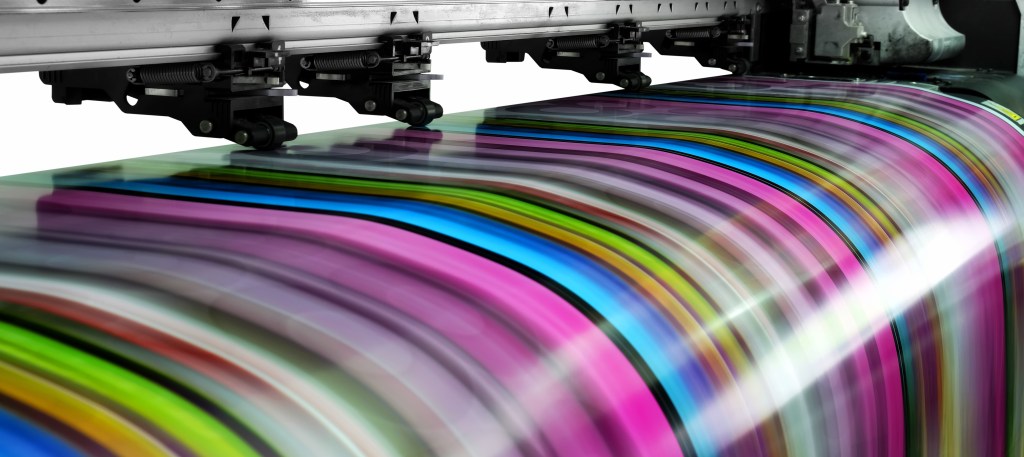
What is large format printing? Large format digital printing is the process of creating high-quality prints on materials that surpass the dimensions of traditional printing, typically any size larger than 24 inches in one direction. This method employs advanced digital technology to produce detailed and vibrant images, making it ideal for applications that require visually striking and high-resolution outputs.
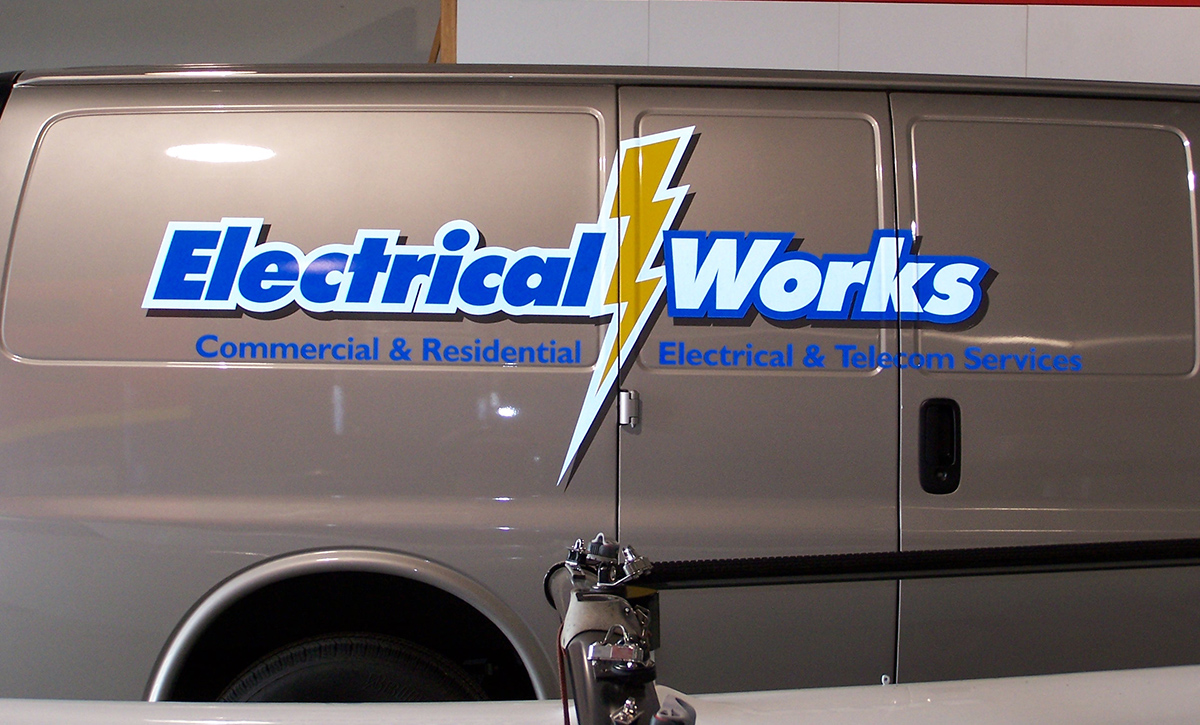
The scope of large format digital printing is extensive, involving a broad array of materials and techniques. Common substrates include vinyl, fabric, paper, and even rigid materials like foam board and acrylic. The versatility of these materials allows for creative freedom in large format graphics for both indoor and outdoor applications. From banners and posters to vehicle wraps and wall murals, large format printing is a powerful tool for businesses aiming to make a significant visual impact.
Large format digital printing finds applications across numerous industries. Retailers often use it for promotional displays and attention-grabbing signage. Event organizers and exhibitors rely on it for backdrops and trade show displays to ensure their brand stands out. Additionally, architecture and interior design sectors benefit from large format printing for creating detailed plans, renderings, and custom wall graphics that enhance spaces’ visual appeal.
When comparing large format digital printing with traditional methods, key differences become apparent. Traditional techniques, like offset printing, require extensive setup and are best suited for large production runs, which can result in longer turnaround times and higher costs for smaller projects. In contrast, large format digital printing allows for on-demand production, enabling quick and efficient printing without the need for plates or extensive setup. This flexibility is particularly advantageous for businesses needing short runs or custom designs.
Moreover, large format digital printing offers greater design flexibility. While traditional methods might limit color choices and design intricacies, digital printing supports a wide range of colors and can accurately reproduce complex designs. This capability is crucial for brands striving to maintain their visual identity across various marketing materials.
In summary, understanding large format printing is essential for anyone interested in exploring its potential applications. With its ability to deliver large-scale, high-quality prints efficiently and cost-effectively, large format printing is a preferred method across various industries. Its advantages over traditional techniques make it an invaluable tool for businesses aiming to enhance their visibility and communication strategies. By leveraging large format digital printing, companies can effectively engage their audience and create impactful marketing materials that resonate with their target market.
Essential Equipment and Technology
Embarking on the journey of how to get started in large format digital printing requires a solid understanding of the essential equipment and technology to achieve superior results. The first crucial step is selecting the appropriate large format printer for your needs.
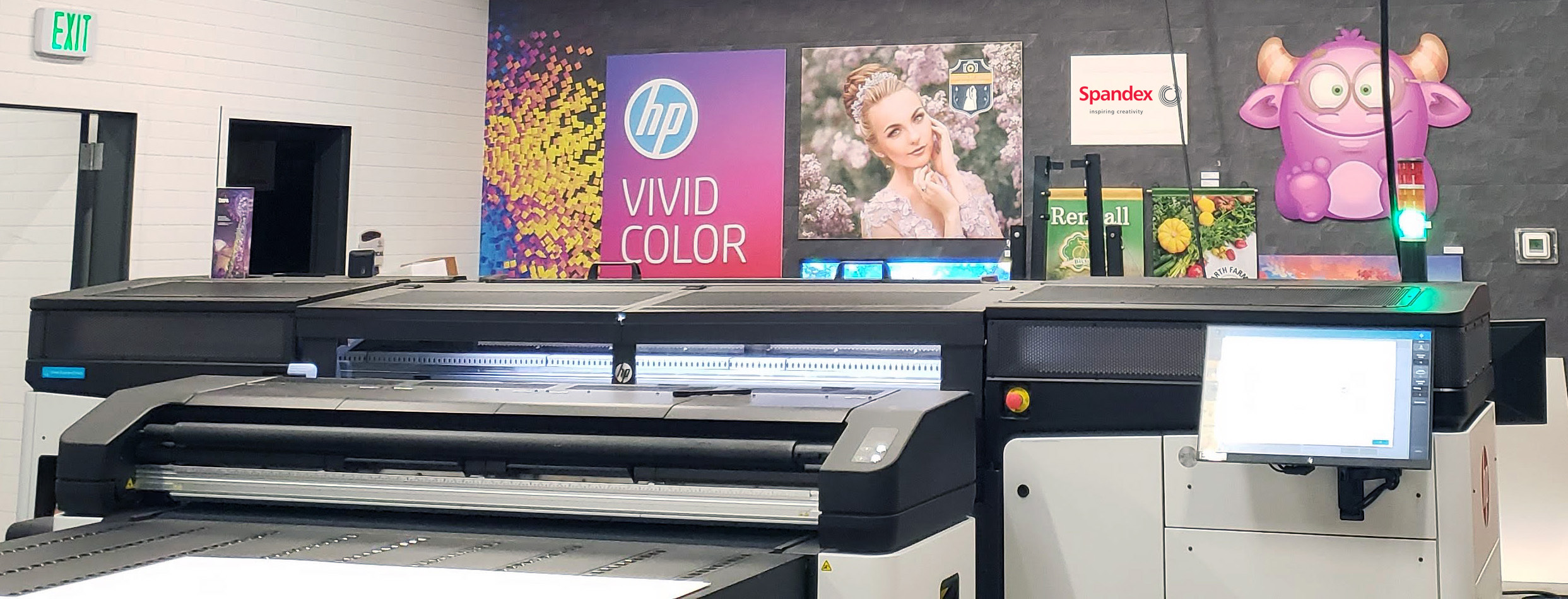
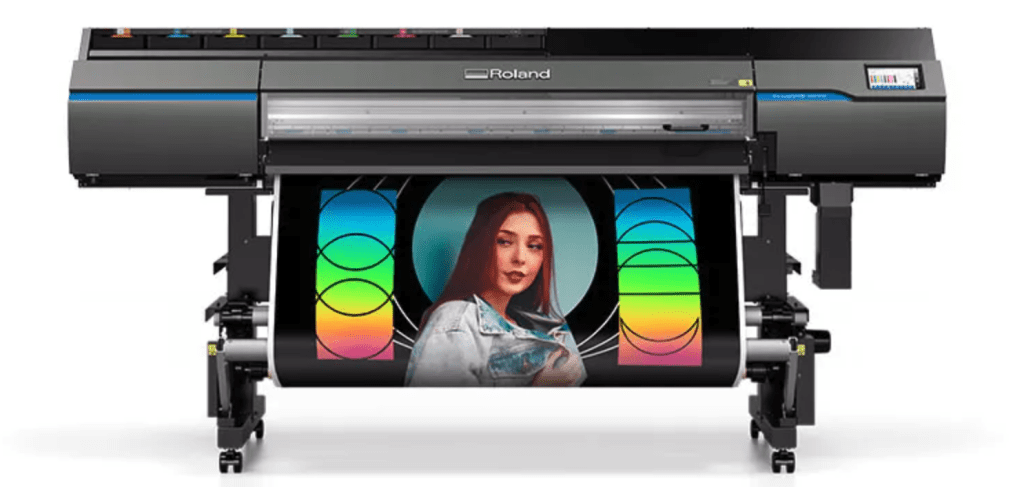
Various types of large format printers are available, each tailored for specific applications. Inkjet printers are popular for their versatility, producing vibrant colors and intricate details, making them ideal for graphics, signage, and fine art reproductions. Solvent printers are known for their durability and weather resistance, suitable for outdoor applications like banners and vehicle wraps. UV printers are increasingly popular for their ability to print on diverse substrates, including rigid materials. Dye-sublimation printers excel in textile and soft signage applications. Understanding your intended use will guide you in choosing the right printer. Spandex offers many options when it comes to digital printers, including HP, Roland, Canon, Vanguard and Epson. Shop digital printers.
Once you’ve determined the type of printer that suits your needs, consider key features that can enhance your printing experience. Look for printers offering a wide color gamut for accurate color reproduction. High resolution is crucial; a printer with at least 1200 dpi ensures sharp and detailed prints. Additionally, consider the printer’s media handling capabilities, including its ability to manage various roll sizes and thicknesses. Speed is also important, especially for high-volume printing; choose a printer that balances speed and quality. Finally, ensure the printer has user-friendly controls and connectivity options, such as USB or Ethernet ports, to facilitate easy integration into your workflow.
Besides choosing the right printer, robust software solutions are vital for efficient design and print management. Seek software offering advanced design capabilities, enabling you to create striking large format graphics tailored to your needs. Features like layering, vector graphics, and color management tools ensure your prints appear as intended. Additionally, print management software can streamline your workflow by allowing you to track jobs, manage print queues, and adjust settings for different projects. Opting for software that integrates seamlessly with your printer enhances productivity and overall experience. Shop RIP software.
In conclusion, starting in large format digital printing involves careful consideration of the equipment and technology involved. By selecting the right type of large format printer, identifying key features that align with your needs, and utilizing effective software solutions, you set yourself up for success in this exciting field. Investing in quality equipment and technology not only improves your printing capabilities but also elevates the final output, ensuring you can meet your clients’ and projects’ demands confidently.
Materials and Inks Used in Large Format Printing
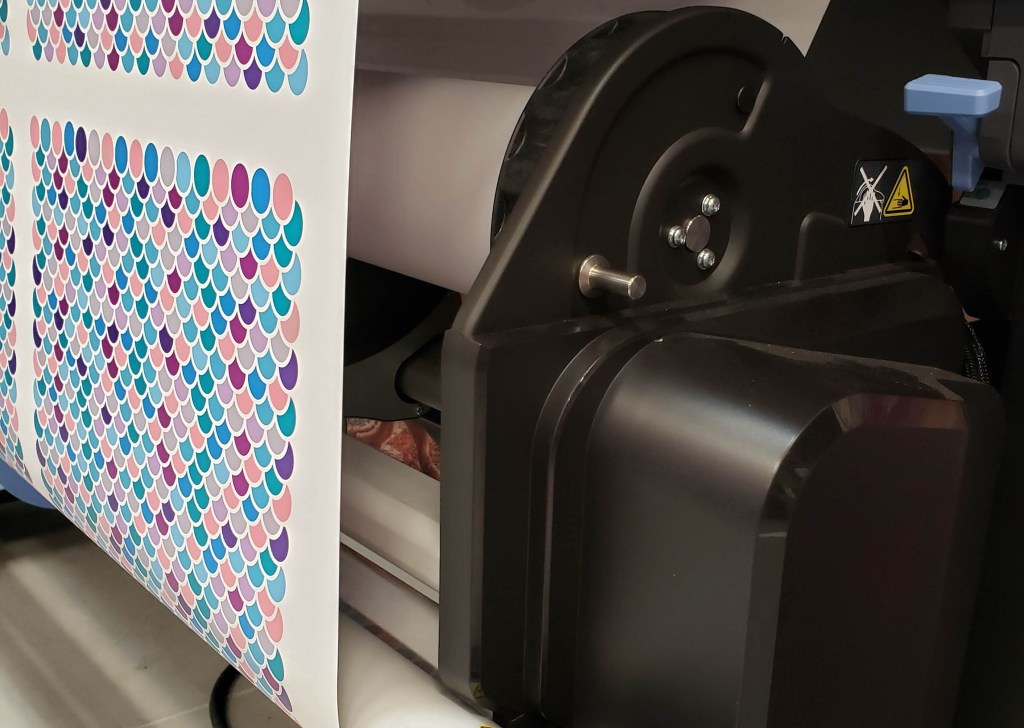
Large format digital printing has become increasingly popular due to its versatility and ability to create stunning large format graphics. One critical aspect determining the success of your prints is the choice of materials and inks. Understanding which materials and inks are suitable for your projects, and how they impact print quality, is essential for anyone starting in this field.
Regarding common materials for large format printing, the options are extensive. Vinyl is a popular choice for outdoor applications due to its durability and weather resistance, often used for banners, signage, and vehicle wraps. Shop digital media. Fabric materials, like polyester or canvas, are frequently used for soft signage and displays. These fabrics provide vibrant colors and a softer finish, making them ideal for indoor applications like trade shows and exhibitions. Additionally, paper and rigid substrates like foam board and acrylic are commonly used for posters and displays, offering various textures and finishes to enhance your prints’ visual appeal. Shop rigid substrates for digital printing.
Equally important is the type of ink used in large format printing. Different inks serve specific purposes. Solvent inks are popular for outdoor signage because they adhere well to vinyl and resist UV light fading. Eco-solvent inks offer a more environmentally friendly alternative with excellent durability. Dye-sublimation inks are perfect for fabric printing, penetrating the material for vibrant, long-lasting colors. Latex inks are known for their versatility and quick drying times, suitable for various materials, including vinyl and paper. Understanding these inks’ characteristics helps you choose the right one for your project, ensuring the best results. (Please note, inks are not universal to all printers. For example, latex inks are used in latex printers, solvent ink in solvent printers, etc.) Shop digital inks.
The choice of material significantly affects print quality. High-quality substrates enhance prints’ vibrancy and clarity, while low-quality materials can lead to dull colors or poor adhesion. For instance, using premium vinyl or fabric can yield sharper images and more vibrant colors, as these materials are designed to work seamlessly with chosen inks. Additionally, the substrate’s texture can impact the print’s overall look; a smooth surface generally produces better results than a rough one. It’s also important to note that different materials may require specific preparation or treatment before printing for optimal results. Understanding how the material interacts with the ink helps you make informed choices and avoid common pitfalls. Shop rigid substrates for digital printing.
In conclusion, getting started in large format digital printing involves selecting the right materials and inks for your projects. By familiarizing yourself with the available options and understanding how these choices affect print quality, you can ensure your prints stand out and meet your clients’ expectations. As you gain experience, you’ll discover the best combinations of materials and inks for your specific applications, allowing you to produce stunning visuals that capture attention and deliver results.
Common Challenges and Solutions in Large Format Printing
Venturing into how to get started in large format digital printing can be an exciting yet challenging experience, especially for beginners. While the potential for creativity and profitability is vast, several common challenges often arise. Understanding these challenges and their solutions can make the transition smoother and more successful.
One typical challenge beginners face in large format printing is managing the technical aspects of the printing process, including printer settings, media types, and color profiles. Beginners often feel overwhelmed by the variety of materials available and the complexities of achieving the desired print quality. To tackle this challenge, invest time in learning about your printer’s specific capabilities and requirements. Familiarizing yourself with the manufacturer’s guidelines and recommendations can significantly improve your printing outcomes.
Another common issue is print defects, such as banding, inconsistent colors, or misalignment. These problems can result from factors like improper media handling, incorrect printer settings, or even environmental conditions. To effectively troubleshoot these issues, adopt a systematic approach. Start by double-checking printer settings to ensure they match the media type used. Regularly calibrating your printer and performing maintenance checks can also prevent many common defects. Additionally, using high-quality media specifically designed for large format printing can help minimize print quality issues.
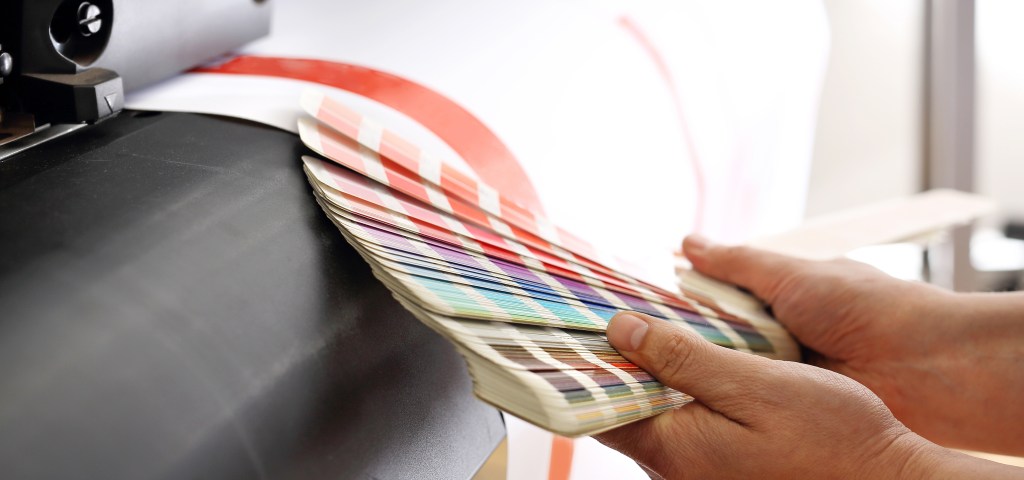
Color management is another critical area where beginners often struggle. Achieving accurate color reproduction can be challenging due to variations in monitor display and printer output. Investing in a good color calibration tool is advisable for beginners. This ensures the on-screen colors match the final printed product, resulting in more consistent and professional prints. Furthermore, utilizing software designed for color management can assist in achieving optimal results.
To support continuous learning and improvement, numerous resources are available for newcomers to large format printing. Online communities and forums offer valuable insights and practical tips from experienced professionals. Engaging with these platforms can help beginners learn from others’ experiences, ask questions, and share challenges. Additionally, Spandex offers open houses and workshops to educate users on best practices and innovative techniques in large format printing.
Moreover, staying updated with industry trends and advancements is essential for anyone looking to excel in large format printing. Subscribing to relevant industry publications or blogs can help you keep your skills sharp and knowledge current. As technology evolves, being aware of new materials, techniques, and equipment will enhance your ability to produce high-quality prints and stay competitive in the market.
In conclusion, while mastering how to get started in large format digital printing may present challenges, recognizing these hurdles and implementing effective solutions can pave the way for success. By investing in your education, seeking resources, and continually refining your skills, you can turn potential obstacles into growth opportunities in your printing ventures.
To learn more about digital printing equipment and products available at Spandex, call our sales team at 801-262-6451 or visit our online shop, www.spandex.us.