Dye sublimation printing, also known as dye sub printing, is an exciting and colorful printing method that allows you to create impressive designs on a wide range of materials. Whether your goal is to personalize clothing, craft custom banners, or produce attention-grabbing promotional items, gaining proficiency in how to do dye sublimation printing can elevate your projects. This comprehensive guide will lead you through the critical steps of the sublimation printing process, equipping you with the knowledge and tools necessary for professional outcomes. From familiarizing yourself with essential supplies to preparing your artwork and executing the printing process, everything you need is right here. Let’s delve into the world of dye sub printing and learn how to achieve remarkable results!
Introduction to Dye Sublimation Printing
Dye sublimation printing is a cutting-edge technique that transfers vibrant, full-color designs onto a variety of materials, primarily polyester fabrics and specially treated surfaces. This process involves transforming solid dye into gas without passing through a liquid phase, allowing the dye to deeply penetrate the substrate. The outcome is images that are not only vivid and detailed but also enduring, as they become an integral part of the fabric rather than merely resting on its surface.
The origins of dye sub printing date back to the 1950s, initially developed for the textile industry. However, significant advancements occurred in the 1980s with the introduction of heat transfer processes and specialized inks. As digital printing technology evolved, sublimation printing became more accessible, leading to its widespread use in custom apparel, promotional items, and home décor.
One of the main advantages of dye sublimation printing is its ability to produce high-quality, vivid images resistant to fading and cracking. Unlike traditional printing methods, dye sub printing offers an endless spectrum of colors and intricate designs, making it ideal for custom projects. Additionally, because the dye is embedded in the fabric, it retains the original texture and feel, providing a superior finish. This technique is efficient for small runs and offers cost-effective solutions for larger quantities, making it a popular choice for businesses looking to create personalized products.
Essential Supplies
Dye sublimation printing is an excellent method for producing vibrant, long-lasting designs on various materials. To begin, it’s crucial to have the right supplies, ensuring a smooth and successful printing experience.
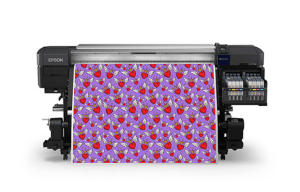
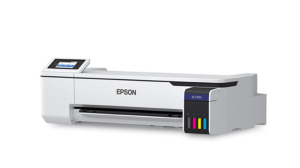
First, choose the appropriate printer for dye sub printing. Dedicated dye sublimation printers are recommended, as they are specifically designed for this process. Brands such as Epson offer printers that excel in producing high-quality prints with vivid colors and precise details. Selecting a printer that aligns with your production needs and budget is essential for achieving optimal results. Shop Epson dye sub printers.
Next, selecting the right ink and paper is vital for optimal performance. Dye sublimation ink is specially formulated to work with the heat transfer process, ensuring that your designs adhere properly to the substrate. It’s important to use compatible sublimation paper, which has a special coating that absorbs the ink and releases it when heat is applied. This combination will significantly enhance the quality of your prints. Shop dye sub paper.
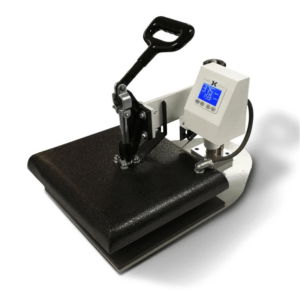
Lastly, having the necessary equipment and tools is critical for successful dye sublimation printing. A reliable heat press is essential, as it applies the required temperature and pressure to transfer your designs onto the substrate. Look for a heat press that offers adjustable settings and even heat distribution to ensure consistent results. Shop heat presses. Additionally, having tools like a cutting machine for precise edges and a weeding tool for intricate designs will streamline your workflow. Shop vinyl cutters.
With the right supplies in place, you’ll be well on your way to mastering dye sub printing and creating stunning products that stand out.
Preparing Your Design
Embarking on a dye sublimation printing project requires careful preparation of your design. Start by choosing or creating high-resolution images to ensure clarity and vibrancy in your final print. Consider using vector graphics or high-quality raster images, as these formats yield the best results when transferred onto fabric or other substrates. Opting for images specifically designed for sublimation printing can significantly enhance the overall outcome.
Understanding color management and profiles is crucial for accurate color reproduction. Use the appropriate color space, typically RGB, as dye sub printing works best with this format. Familiarize yourself with color profiles, such as Adobe RGB or sRGB, to ensure color consistency across different devices, from design software to the printer. This attention to detail helps avoid unexpected color shifts in your final product.
Resizing and formatting images correctly is another essential aspect of design preparation. Maintain the original aspect ratio when resizing to prevent distortion. Use design software to create a canvas that matches your final output size, and set the resolution to at least 300 DPI for optimal print quality. Save your images in a suitable format, such as PNG or TIFF, to preserve transparency and ensure high fidelity during printing. Following these guidelines will set you up for a successful dye sublimation project that showcases your creativity and skill.
The Dye Sublimation Printing Process
Dye sublimation printing is a popular method for creating vibrant, high-quality designs on various materials, particularly fabrics. The process involves several key steps to ensure your design transfers seamlessly.
Begin by preparing your design using graphic design software. Make sure to mirror the image before printing, as the dye will transfer in reverse. Next, print your design onto special dye sublimation paper using a sublimation printer. Once printed, align the sublimation paper with the substrate (such as polyester fabric) and secure it with heat-resistant tape.
Now, it’s time for heat transfer. Use a heat press set to the appropriate temperature, typically around 400°F (204°C), and apply pressure for 30 to 60 seconds, depending on the material. When the time is up, carefully remove the heat press, peel away the paper, and reveal your stunning design!
Common issues during the dye sub printing process include ghosting, uneven transfers, and color fading. To troubleshoot ghosting, ensure the paper remains stationary during pressing. If you notice uneven transfers, check the pressure and temperature settings of your heat press. For color fading, use high-quality inks and ensure your substrates are compatible with dye sublimation.
To achieve the best results, follow best practices such as using high-quality materials, ensuring proper printer maintenance, and conducting test prints before starting larger projects. Additionally, consider using vibrant color palettes and high-resolution images to enhance the overall quality of your prints. By adhering to these guidelines, you can unlock the full potential of dye sublimation printing and create eye-catching designs that stand out.
Applications and Uses of Dye Sublimation Printing
Dye sublimation printing is a versatile technique that opens the door to numerous applications across various industries. One of the most popular materials suitable for sublimation printing is polyester fabric, widely used in apparel, home décor, and promotional items. Products such as custom t-shirts, vibrant banners, and unique cushion covers can be created using dye sub printing, enabling businesses to offer personalized options to their customers. Shop dye sublimation fabrics.
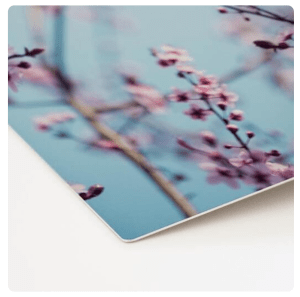
Beyond fabric, dye sublimation printing can also be applied to specially coated materials like ceramics, metals, and plastics. This versatility allows for creative ideas such as personalized mugs, custom phone cases, and decorative tiles, making it an ideal choice for those looking to stand out in the marketplace. The ability to print intricate designs with brilliant colors provides businesses with the opportunity to create eye-catching products that appeal to a wide range of consumers. Shop aluminum panels for dye sub printing.
Furthermore, dye sublimation printing presents numerous potential business opportunities. Entrepreneurs can explore niches such as custom promotional products, personalized gifts, and event merchandise. By leveraging this technology, businesses can cater to specific markets, from sports teams needing custom uniforms to artists looking to showcase their artwork on various substrates. The scalability of dye sub printing also allows for both small-scale operations and larger production runs, making it accessible for start-ups and established businesses alike.
Spandex has printers, paper, inks, heat presses and substrates for dye sub printing. Contact us today at 801-262-6451 or visit our website www.spandex.us.