


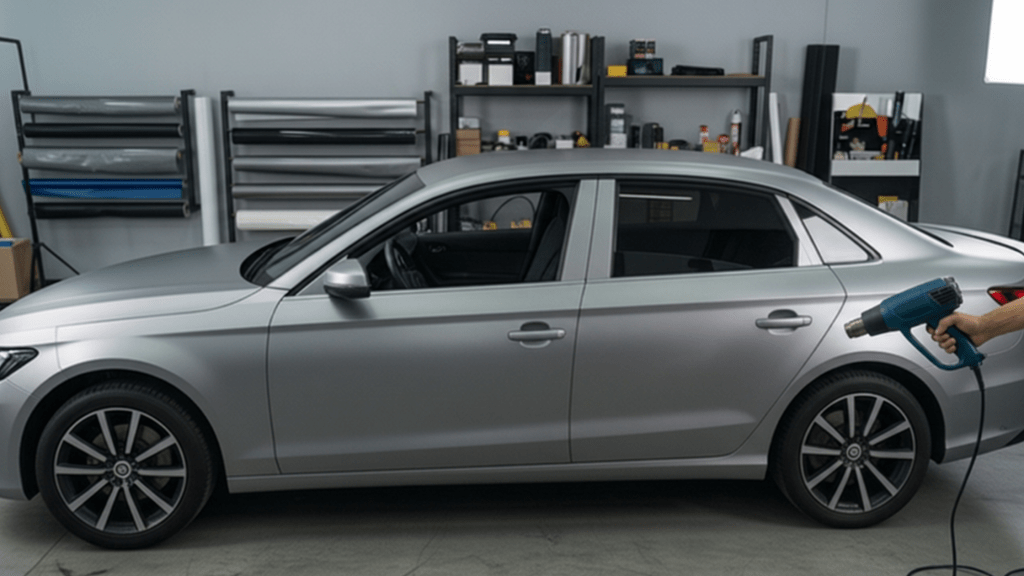
In vehicle wrapping, post-heating is often underestimated, yet it remains a critical step for both full and partial wraps. Anyone working in vehicle wrapping knows: a perfect installation doesn’t end with the application, but with the correct aftercare.
What is post-heating and why is it so important?
Post-heating, sometimes referred to as “reheating” is the final step in the wrap installation process and serves two main purposes:
- Prevents lifting, curling or edge failure: when the wrap film is stretched into deep recesses, curves or tight contours, it retains internal tension. Although the film may appear secure at first, this tension can cause the material to slowly contract over time. Bringing the film to the recommended post-heat temperature allows the film to reset, releasing the tension so it no longer tries to shrink back, significantly reducing the risk of lifting, curling or edge failure.
- Helps form a permanent bond with the vehicle surface: post-heating solves this by raising the film to the required temperature. At this point, the adhesive softens and flows, allowing it to properly settle and form a permanent bond with the surface. This process also helps relieve internal stresses within the film, locking it into its final shape.
In short: skipping post-heating can leave the adhesive under‑activated, resulting in hidden weaknesses that may only become visible weeks or months after installation.
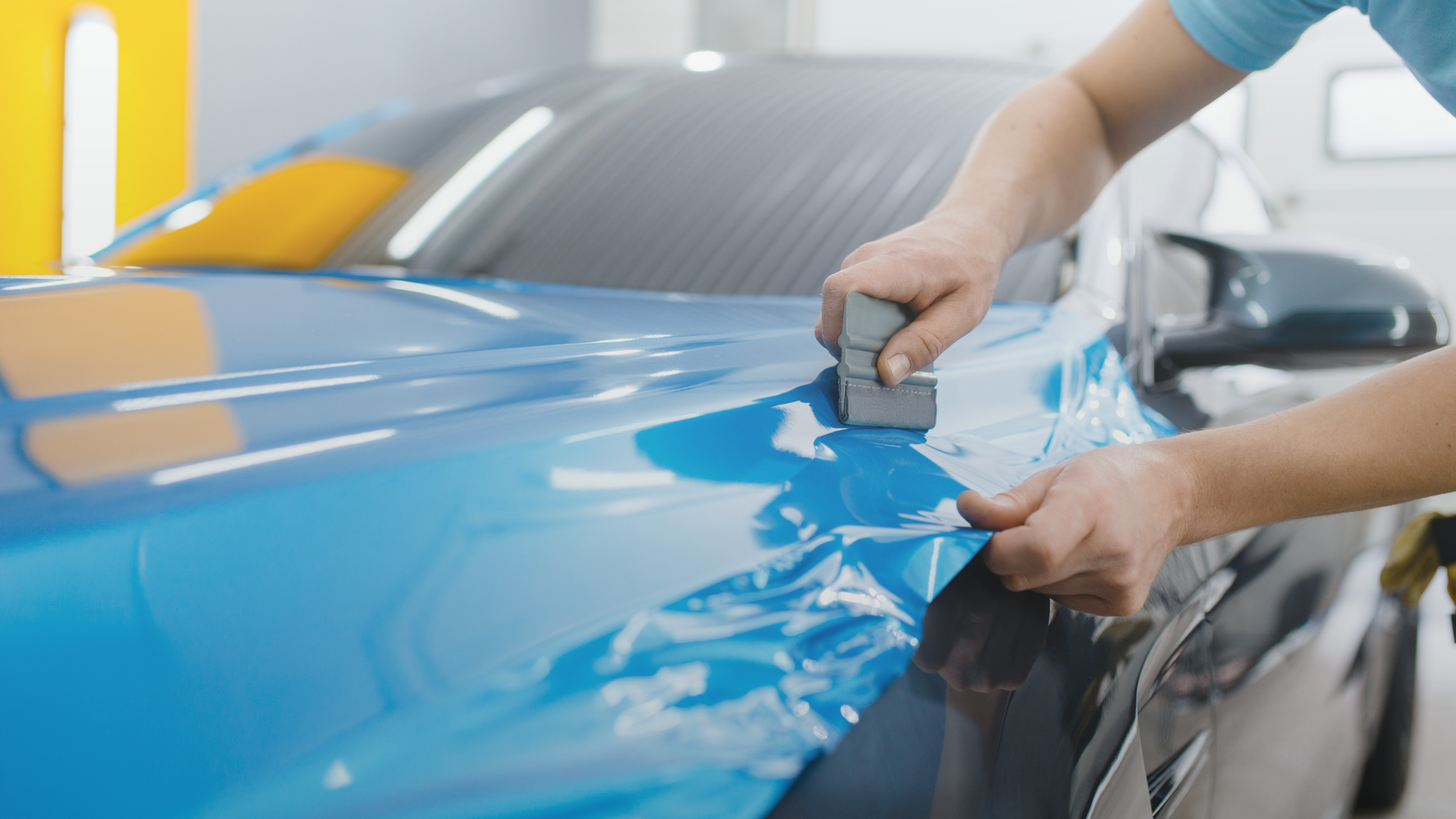

An overview of the process
Before post-heating
- Check all edges and contours have no visible lifting.
- If necessary, remove the top protective film from the wrapping film (e.g., on glossy 3M films).
- Make sure there are no air bubbles or air inclusions under the film. If air expands during heating, it can crack or damage the film.
During post-heating
- Use a powerful heat gun (ideally digitally controlled) and an infrared thermometer to monitor the temperature throughout.
- Keep the gun moving smoothly at a safe distance from the film (e.g. 5–10 cm) to avoid overheating in specific areas or damaging the film.
- Focus the heat on channels, contours, and highly stretched sections. Flat, non-stretched areas typically require little to no post-heating.
- Maintain the target temperature throughout and ensure it never drops below the threshold to keep the heating stable and effective.
After post-heating
- Once the temperature has been reached and the area treated, press the surface again with the felt squeegee to ensure adhesion.
- The wrapped vehicle must remain indoors in a stable environment for 12-24 hours, ensuring the adhesive stabilises without exposure to weather.
Sources of error & risks of incorrect post-heating
- If the post‑heating temperature is not reached (for example, only 70 °C instead of the required 90 °C), the film may retain internal tension. This can lead to lifting, peeling, waves or edges pulling back over time.
- Excessive and localised heating can lead to discolouration, material damage, or even detachment of the film. Therefore, make sure you are constantly moving your heat gun and not over-focusing on one area.

Typical post-heating temperature ranges for various films
All manufacturers specify post-treatment temperatures. Below is an overview of typical guidance for the most popular colour change wrapping films supplied by Spandex.
Important: The temperature ranges below are provided as a general reference only and reflect typical manufacturer guidance at the time of writing. Always refer to the current technical datasheet for the exact film being used, as specifications may vary by material, finish, and production batch.
| Manufacturer & Film | Post-heating temperature* |
| 3M Wrap Film Series 2080 | 93 – 102 °C |
| Avery Dennison Supreme Wrapping Film (SWF) | 90 – 97 °C |
| ORAFOL Oracal 970RA | 110 – 120°C |
| Arlon Premium Colour Change (PCC) | 95 – 105 °C |
| KPMF Wrapping Film | 100 °C |
* check manufacturers’ datasheet for latest recommendations
Our tips for vehicle wrapping professionals
- Work in a controlled environment (ideally 18–22 °C) to ensure consistent film behaviour and accurate post-heating. A stable temperature makes it easier to reach and maintain the correct post-heat levels, reducing the risk of adhesive failure.
- Document your work. For example, by taking photos after the final heat application, measuring temperature values, and recording them if necessary. This can help with quality assurance, warranty claims, and customer communication.
- For complex surfaces, use a pre-stretch and heat-shrink method: Lightly pre-stretch the film while cold, apply it, and then heat it selectively; this will ensure a stress-free fit in curves.
Ensure temperature-setting and post-heating techniques are regularly refreshed within your team. Even experienced installers benefit from periodic training, as materials, adhesives and best-practice recommendations evolve.
Conclusion
Post-heating is not an optional step; it is a critical part of the vehicle wrapping process. Following manufacturer-recommended temperatures, carefully treating critical areas, and using the right tools ensures a durable and flawless film installation. If you are looking to build hands-on skills and deepen your understanding, our training courses provide practical guidance from industry experts.