


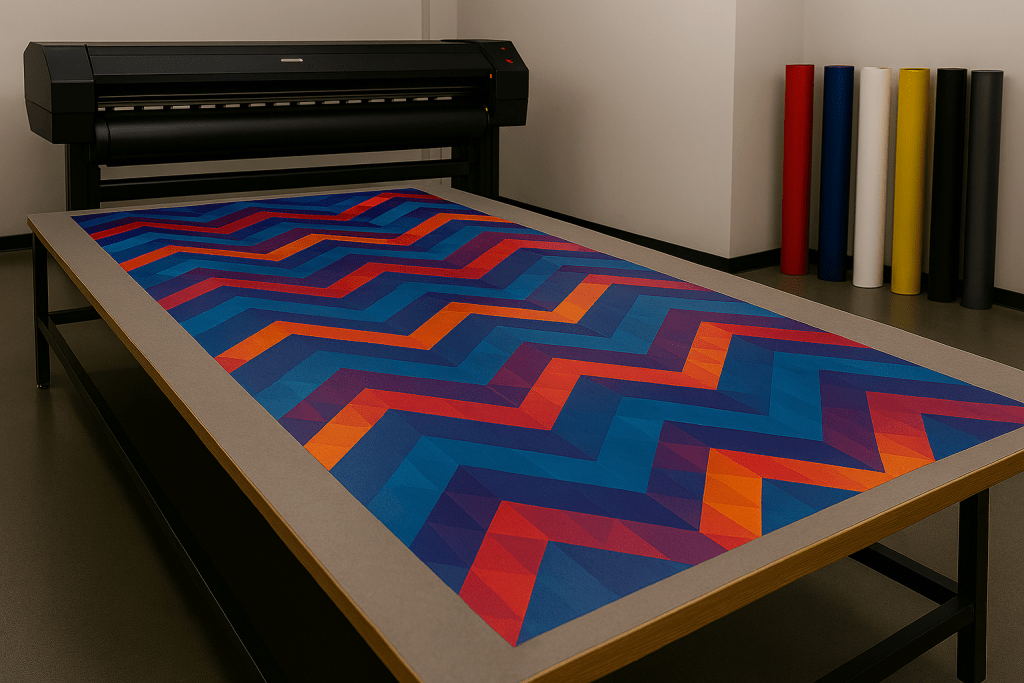
Whether you are producing full vehicle wraps or smaller printed graphics, one factor plays an important role in achieving professional, long‑lasting results: adequate drying time. Digital prints, particularly those created with solvent and eco-solvent inks, need sufficient time to outgas before they can be laminated, installed, or handled further. Skipping or shortening this stage can lead to issues, such as adhesion problems, color changes or even premature failure once the graphic is applied.
This blog explains everything you need to know about drying time for digital prints. While the focus is on vehicle wrapping films, much of the information applies equally to printed graphics of all types.
Why is drying time so important?
When printing on vehicle wrap films, with solvent or eco‑solvent inks, effective outgassing is essential. As the print dries, residual solvents evaporate, allowing the ink to cure fully and giving the graphic its intended durability and color stability.
If the print is laminated or applied too soon, residual solvents can cause issues. These solvents may become trapped beneath the laminate or migrate into the adhesive layer of the vinyl. When that happens, the adhesive can soften or become weakened, reducing its bond strength. This often leads to edge lifting, bubbling, tunnelling, or premature failure.
Allowing sufficient drying time ensures those residual solvents have completely evaporated, keeping the adhesive intact and performing as designed. The result is a more stable print, stronger long‑term adhesion, and a smoother, trouble‑free installation.
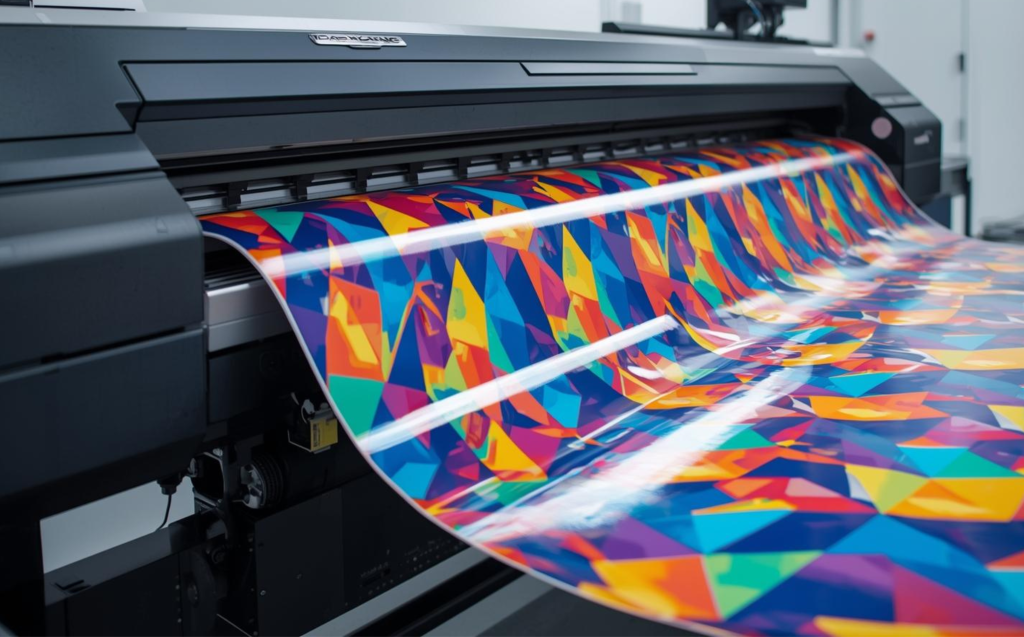

How long do digital printing films have to dry?
After printing, the film usually has to dry for at least 24-48 hours before it can be laminated and applied.
The exact drying time depends on several factors:
1.Type of ink:
Solvent and eco‑solvent inks
These inks require more time to fully outgas because the solvents need to evaporate completely. If they’re laminated too early, trapped solvents can affect adhesion and cause long‑term issues, so the full drying window is especially important.
Latex inks
Latex inks typically dry faster than solvent inks. However, drying performance can vary depending on the printer settings, media, and environmental conditions. For best results, always follow manufacturer guidelines for drying, curing and lamination before applying to graphics.
2.Ink application
The more ink applied to the film, the longer it takes to dry. Especially for designs with intense colors (e.g. black) or many layers, it may be necessary to extend the drying time.
3.Storage of the printed film
Correct storage of the film also contributes to optimal drying. Good airflow helps solvents and moisture escape more efficiently. If air can’t reach the surface, the residual solvents may stay trapped in the print, delaying drying and potentially causing issues later during lamination or installation. Make sure the film is loosely rolled up or lying flat. If the film is rolled up too tightly, it will often not outgas properly. A handy tip: Hang the film on a tensioned rope or from the ceiling if you don’t have space to store it flat.
4.Room temperature and humidity
A constant, ideal room temperature between 20 – 25°C and low humidity speeds up the drying process considerably. Avoid rooms that are too cold or too humid, as this can increase drying time.
How can you test if the print is dry?
To make sure the print is completely dry, you can do these simple tests:
1.Visual test
Take a close look at the surface of the film and test it with your fingers: it should not be damp, sticky or oily. If this is the case, the film needs more time to dry. You can also lay the printed film flat on a table. A fully dried print should sit flat. If the edges curl upward, it’s often a sign that solvents are still evaporating and the film hasn’t fully outgassed yet. In this case, allow additional drying time.
2. Adhesive test
A simple way to check this is to compare your printed sample with an unprinted piece of the same film. Both should feel identical in tack and firmness. If the printed film feels softer, tackier or leaves residue, the ink may not be fully cured and needs more drying time.
Conclusion: Patience pays off in digital printing
The right drying time is crucial to achieve the best possible results when printing on vehicle wrap films. It may be tempting to speed up the process, but patience is key to ensuring long-lasting and vibrant prints. By following the storage, temperature, and drying tips above, you can ensure that your car wrap projects look great and perform reliably once installed.
For more information about digital wrap films, contact Spandex at 1800 683 311 or visit our website shop.spandex.com